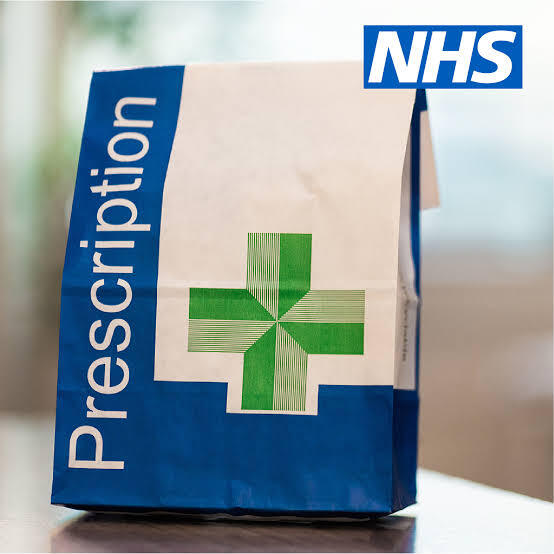
NHS Prescription Charge UK: Current Cost Explained
The NHS prescription charge in the UK stands at £9.90 per item for the 2026/27 financial year, following the government’s decision to freeze the rate for a second consecutive year. The NHS prescription charge remains at £9.90 per prescription item for 2026/27, confirmed through a government announcement released in November 2025. This freeze offers welcome stability for patients managing ongoing prescription costs. Must Read: Cost of Renting a Flat in Manchester
The charge applies per item rather than per prescription form, which matters when your GP prescribes multiple medicines at once. Prescription charges are for each item, not each prescription, so a prescription with three medicines requires the charge to be paid three times.</cite> Understanding this distinction helps you budget accurately for regular medication needs.
NHS Prescription Charge UK Rates and Prepayment Certificates
Alongside the standard item charge, the NHS prescription charge UK system includes prepayment certificates (PPCs) designed to reduce costs for people needing multiple prescriptions regularly. Three-month PPCs remain priced at £32.05, twelve-month PPCs at £114.50, and the HRT PPC stays at £19.80. These certificates work like a season ticket for medication.
A PPC becomes cost-effective once you need more than two or three prescription items within the certificate period. For those on multiple ongoing medications, spreading payments through instalments can also make budgeting simpler across the year.
Why the Charge Is Frozen This Year
The government confirmed the freeze through an official statement covering the 2026/27 financial year, marking the second year running that costs haven’t increased. The NHS prescription charge in England will remain at £9.90 for the 2026/2027 financial year, with three-month and annual PPCs also frozen at £32.05 and £114.50 respectively. This follows a steady rise in previous years.
Before the freeze, charges increased each April annually, moving from £9.35 to £9.65 and then to £9.90 between 2023 and 2024. Campaigners continue pushing for further reductions, arguing that unaffordable charges deter patients from collecting essential medicines.
NHS Prescription Charge UK: Who Gets Free Prescriptions
A significant majority of prescriptions dispensed in England don’t actually incur a charge at all. Around 89% of NHS prescription items are dispensed in the community free of charge, according to the Department of Health and Social Care. Exemptions cover a wide range of circumstances and medical conditions.
Understanding whether you qualify for free prescriptions can save considerable money over time, particularly for anyone managing long-term health conditions. It’s worth checking eligibility even if you’ve paid the charge previously, since backdated claims are sometimes possible.
Common exemption categories include:
- Children under 16, and young people aged 16-18 in full-time education
- Adults aged 60 or over
- Pregnant women or those who had a baby in the last 12 months, with a valid MatEx certificate
- People with specified medical conditions holding a Medical Exemption Certificate (MedEx)
- Individuals receiving Universal Credit, Income Support, or Pension Credit (Guarantee Credit)
- War pension holders claiming for an accepted disability
Regional Differences Across the UK
The NHS prescription charge UK policy applies only in England, creating a notable difference across the four nations. Scotland, Wales, and Northern Ireland provide free NHS prescriptions to all residents regardless of age, income, or medical condition. This surprises many people relocating within the UK.
Wales abolished charges in 2007, while Scotland phased theirs out gradually before scrapping them entirely in 2011. England remains the only nation still charging, making exemption certificates and PPCs particularly relevant for residents there.
How to Claim or Avoid Penalty Charges
Claiming a prescription exemption incorrectly can lead to a penalty, so it’s worth double-checking eligibility before ticking the exemption box at the pharmacy. Random checks are conducted regularly, and incorrect claims can result in a fine plus the original charge.
If you believe you qualify for an exemption but aren’t certain, speak with your GP surgery or pharmacist before your next collection. Applying for the correct certificate in advance avoids complications and ensures you’re not paying unnecessarily.
Final Thoughts
The NHS prescription charge UK remains frozen at £9.90 per item for 2026/27, giving patients a period of financial predictability. Whether through exemptions, a PPC, or simply understanding how charges apply per item, there are practical ways to manage prescription costs effectively.
FAQs
How much is the NHS prescription charge in the UK for 2026/27?
The standard NHS prescription charge in England is £9.90 per item for the 2026/27 financial year, unchanged from the previous year following a government freeze.
Do I pay per prescription or per item?
You pay per item, not per prescription form. If your GP prescribes three different medicines on one form, you’ll pay £9.90 for each item, totalling £29.70.
Are NHS prescriptions free in Scotland and Wales?
Yes. Prescription charges only apply in England. Scotland, Wales, and Northern Ireland provide free NHS prescriptions to all residents, regardless of age, income, or medical condition.
Who qualifies for free NHS prescriptions in England?
Children under 16, people aged 60 or over, pregnant women, those with certain medical conditions holding a Medical Exemption Certificate, and people receiving specific means-tested benefits all qualify for free prescriptions.